What are bodywork and manual therapy?
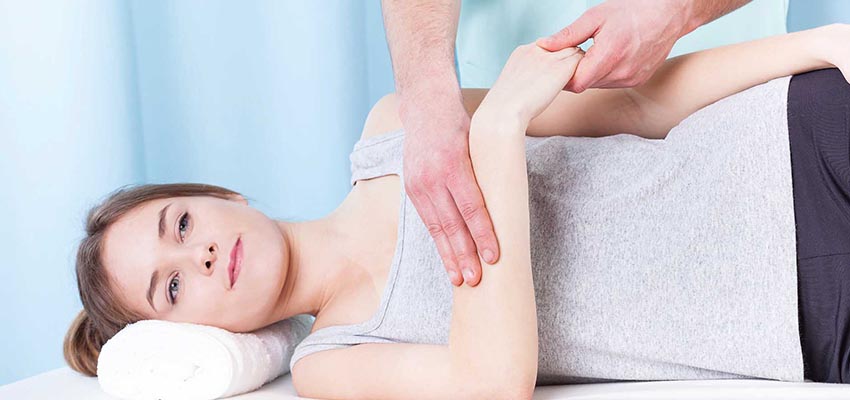
Bodywork and manual therapy are general terms that refer to body manipulation therapies used for relaxation and pain relief. Massage is a well-known form of manual therapy.
The idea behind bodywork is that people learn-or are forced by injury or stress into-unnatural ways of moving or holding their bodies. This causes discomfort and may contribute to health problems.
The Feldenkrais method, a gentle form of bodywork that increases flexibility and coordination. Feldenkrais exercises are intended to help increase a person's awareness of body movement and develop new patterns of movement.
The Trager approach, which people use to help relearn natural movements and exercises so their bodies can function better. Practitioners teach gentle, rhythmic motions to improve flexibility and promote relaxation (called psychophysical integration) and dancelike exercises to increase awareness of body movement (called Mentastics).
Deep tissue massage, which attempts to treat chronic tension in deep muscles of the body. Deep tissue massage is thought to relieve pain and increase flexibility.
What is bodywork used for?
Bodywork can be a safe form of therapy when a qualified and experienced practitioner performs it. Its effectiveness is not scientifically proven. Talk with your doctor before you start any bodywork program, so you can choose the most appropriate form of bodywork for your specific condition.
Many states license practitioners who provide bodywork therapies. Your doctor or local hospital may be able to help you find a qualified bodywork practitioner.
Always tell your doctor if you are using an alternative therapy or if you are thinking about combining an alternative therapy with your conventional medical treatment. It may not be safe to forgo your conventional medical treatment and rely only on an alternative therapy.
What is massage?
Massage is rubbing the soft tissues of the body, such as the muscles. Massage may be helpful in reducing tension and pain, improving blood flow, and encouraging relaxation. Massage therapists usually apply pressure with their hands, but they can also use their forearms, elbows, or feet. There are at least 80 different types of massage. Some are gentle, and some are very active and intense.
For example, Swedish massage is very gentle and is often used to promote relaxation, improve blood flow, and relieve muscle tension. The therapist uses long, gliding strokes and kneading and tapping techniques on the top layer of muscles in the direction of blood flow to the heart. This may also include moving the joints gently to improve range of motion.
Deep tissue massage is more active and intense. It is used to treat long-lasting muscle tension. The therapist applies slow strokes (with the fingers, thumbs, and elbows) using intense pressure to reach deeper layers of the muscles than those reached with a Swedish massage technique.
You can use self-massage to unwind after work or school, or to energize yourself in the morning. You can easily massage your feet, hands, or neck while doing other tasks or while relaxing. Self-massage works best if you are in comfortable clothes and are sitting or lying in a comfortable position. Use oil or lotion to massage bare skin.
Trigger point massage is less gentle and can sometimes be uncomfortable. The therapist applies firm pressure to knots or tight, tense muscles that have been overused or injured, continuing until the muscles relax. Let your massage therapist know if you feel any discomfort during the massage.